Finding a trusted cleaner for the elderly in Hartlepool
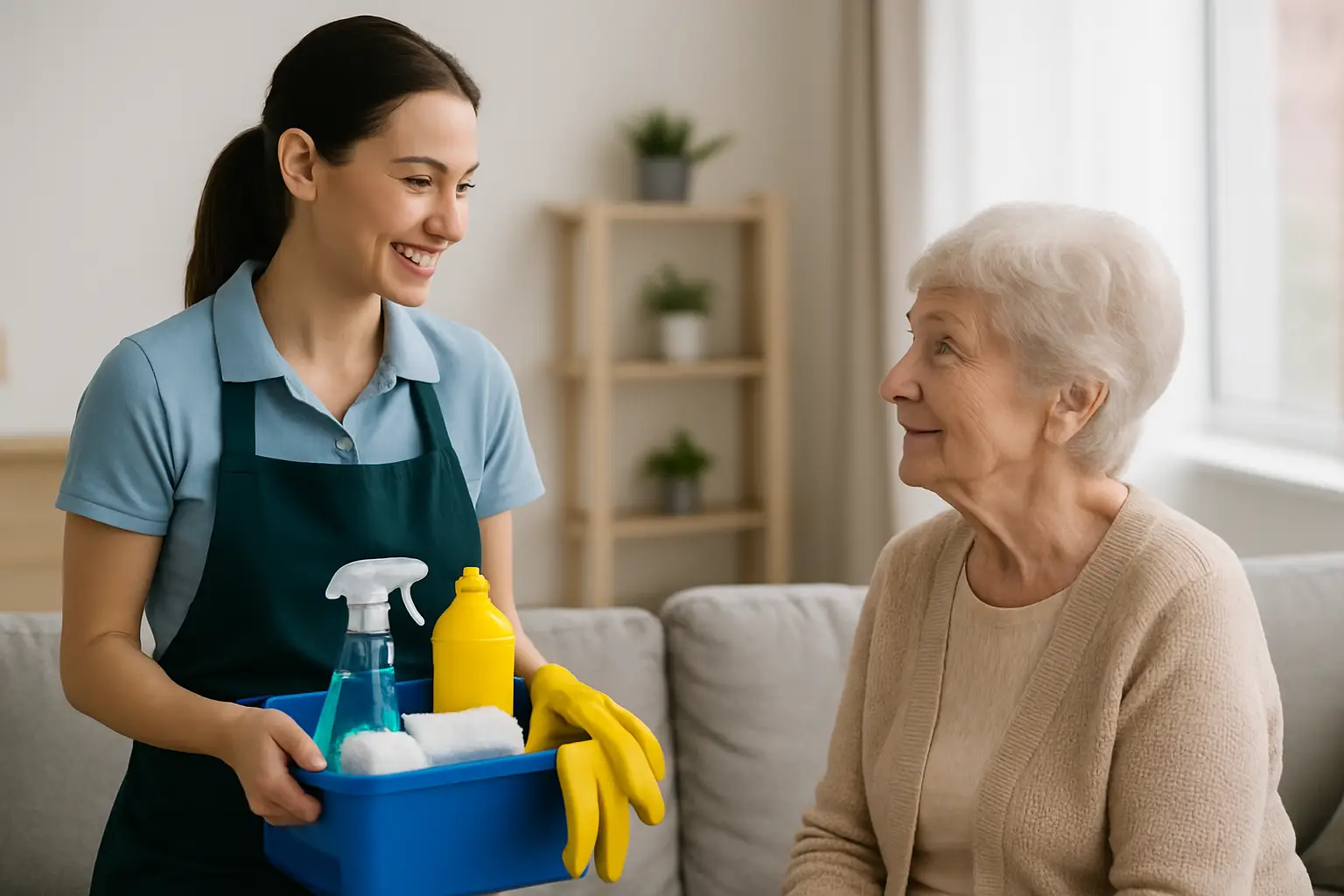
A clean home can feel like a weight lifted. For many older people in Hartlepool, though, keeping on top of everyday cleaning is not about pride or perfection - it is about comfort, safety, and staying independent.
If you are looking for a trusted cleaner for elderly Hartlepool, you are probably balancing a few things at once. You want someone kind and respectful, but you also need reliability. You want a sparkling bathroom, but you also want peace of mind that your mum, dad, neighbour, or client feels at ease with a new person coming through the door.
This is not always as simple as picking the first cleaner with an available slot. It is about fit, routine, and trust.
Why a trusted cleaner matters for older people
For an elderly client, a cleaner is often one of the few regular visitors to the home. That makes the role different to a standard domestic clean. The right person helps create a calmer week - fewer worries about dust, laundry piling up, or slippery bathroom floors.
There are practical safety benefits too. Bathrooms and kitchens are the two areas most likely to become risky if they are not kept in good order. A build-up of grime can make floors more slippery, and clutter can turn into trip hazards. A thoughtful cleaner will notice when something is starting to become a problem and can gently flag it up.
It also depends on the person. Some older people are very private and want a quiet, “get it done” approach. Others enjoy a friendly chat and like seeing the same familiar face. Trust grows when the service adapts to that preference rather than forcing a one-size-fits-all routine.
What “trusted” should mean in real life
“Trusted” is a word lots of services use, but for elderly home cleaning, it needs to be backed up by clear behaviours.
A trusted cleaner turns up when they say they will, communicates if anything changes, and follows the same routine so the home feels predictable and settled. They treat personal belongings with care, never snoop, and they respect that it is someone’s home - not just a job.
Trust also shows up in the small moments. Taking shoes off if asked. Closing gates. Locking doors properly. Checking whether a client is happy for certain rooms to be cleaned or left private. These are the details that help an older person relax.
Just as important is consistency. A rota of different people can work well for some busy households, but for many older clients it can feel unsettling. If continuity matters, it is worth saying so early, because not every provider is set up to deliver it.
The questions worth asking before you book
If you are arranging cleaning for a parent or an older relative, you are not being fussy by asking questions. You are doing your job properly.
Start with the basics: what is included, how long the visit lasts, and whether the same person can come each time. Then get into the practicalities that matter day to day. How do they handle keys? Do they have a simple way to confirm appointments? What happens if the cleaner is unwell?
It is also fair to ask how they work around mobility issues. A good cleaner will understand that some homes need a slower pace, clearer communication, and a bit of flexibility. For example, vacuuming may be too noisy if a client relies on hearing aids, or certain products might need to be avoided if someone has asthma.
If errands or small home-support tasks are needed, ask if that is something they can do safely and sensibly. Some cleaners will not offer it, and that is fine. But if you do need shopping, collecting a prescription, or popping a parcel to the post office, it can be a real help to have it done by someone already trusted in the home.
What a good elderly-friendly clean looks like
A proper clean for an older person is rarely about chasing perfection. It is about making the home comfortable and easy to live in.
In kitchens, that usually means keeping worktops hygienic, making sure the sink and taps are clean, and tackling grease that can build up around hobs and splashbacks. It can also mean wiping cupboard fronts where sticky marks gather, because those are the bits that start to make the whole room feel “too much”.
In bathrooms, it is about keeping the shower, bath, toilet, and basin fresh, and paying attention to floors and edges where mould can creep in. A cleaner who understands older clients will take care not to leave the floor wet and will be mindful of slip risk.
Living areas and bedrooms often need a steady rhythm: dusting, vacuuming, changing bed linen if requested, and keeping surfaces clear enough that the home feels calmer. Some clients also appreciate a gentle reset - cushions straightened, throws folded, a quick tidy of the spots that attract clutter.
It depends on energy levels too. Some older people want to stay involved and do a little alongside the cleaner. Others feel embarrassed if the home has got on top of them. A caring cleaner does not judge either way.
One-off cleans vs regular visits
If a home has slipped behind, a one-off or deep clean can be a good starting point. It creates a fresh baseline, especially in kitchens and bathrooms, and makes regular visits more effective afterwards.
Regular weekly or fortnightly cleaning is often where older clients feel the biggest difference. The home stays pleasant without becoming overwhelming, and the client has a reliable routine they can count on.
There is a trade-off. Regular cleaning is usually the best way to maintain standards, but it does mean letting someone into the home consistently. For some families, that is exactly what they want. For others, it can feel like a big step. If it feels too much, starting with a short fortnightly clean and building from there can be a gentle approach.
Helping a parent accept support without taking over
Sometimes the hardest part is not the cleaning - it is the conversation.
Many older people have managed their home for decades. They may hear “let’s get a cleaner” as “you can’t cope”. A kinder way to frame it is around comfort and time. You are not taking anything away, you are making life easier.
It can help to offer choice. Would they prefer mornings or afternoons? Would they like the cleaner to focus on the bathroom and kitchen first? Is there a room they would rather be left alone? When someone feels in control, support lands better.
If you are arranging it on their behalf, be transparent. Explain what will happen on the first visit, how long it will take, and that they can pause or change things if it does not feel right.
Local matters: why Hartlepool clients often prefer nearby services
With elderly cleaning, local isn’t just a nice-to-have. It can mean more reliable arrival times, quicker responses when something changes, and a service that understands the area.
A local cleaner is also more likely to build long-term relationships. That matters when routines are important and when a client is nervous about new people. It is also reassuring for families - you know the service is part of the community and is easier to reach if you need to.
If you want cleaning plus practical home support, local knowledge can help too. Knowing where to pick up a few bits quickly, or understanding the timing of local traffic and appointments, makes errands less stressful.
A neighbourly option for cleaning plus practical support
If you are looking for a friendly, reliable service that can cover both domestic cleaning and everyday help, Shiny Bee’s Cleaning supports clients across Hartlepool and surrounding areas with regular cleans, one-off and deep cleans, and practical assistance such as errands and grocery shopping.
The benefit of this kind of approach is simple: the home stays clean, and the little jobs that can become tiring or awkward are handled by someone who already knows the client and their routine.
Signs you have found the right cleaner
You will usually feel it quickly. The cleaner communicates clearly, arrives when expected, and asks sensible questions rather than guessing. They listen to preferences, even if they seem small, like which cloth to use on a favourite table or where cleaning products should be stored.
For elderly clients, comfort is a big marker. If your relative seems more relaxed after the visit, that matters. If they feel rushed, judged, or unsettled, it is worth addressing early or looking elsewhere.
A good cleaner is also happy to adjust. Some weeks a client may want a deeper bathroom clean. Other weeks they may want more help in the kitchen. Life changes, and the best services change with it.
If you are still deciding, consider a trial visit with a clear plan for what “good” looks like. Not a vague “see how it goes”, but a simple agreement on priorities. That makes it easier for everyone to feel confident.
Choosing a cleaner for an older person is really choosing a small piece of steady support - the kind that makes the week feel lighter and the home feel like a safe place to rest.